
 中文
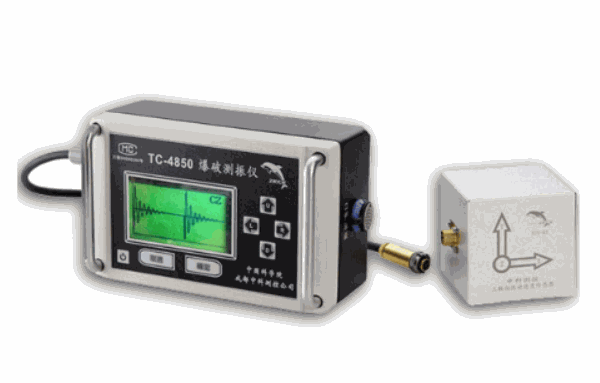
Notes on comparative testing of blasting vibration meters
Possible causes of large errors in comparative tests of multiple vibration meters: 1. The verification regulation allows ±10% error - two units can add up to 20%; 2. Are the sensors' rigid connections consistent and standard? Better rigid coupling means smaller error; 3. Sensors not on the same point, or non-uniform medium: the same location is not the same particle - identical sources and frequencies arrive with different amplitudes at different particles (due to geological complexity

Study on allowable peak particle vibration velocity of open-pit transport adits
Based on field seismic monitoring and damage criteria, the causes of rockfall in transport adits were analyzed and recommended allowable peak particle velocities given. Maximum allowable velocity varies with location due to geology, geometry and support conditions - allowable velocity differs by position on the same adit cross-section. Blasting practice shows this is reasonable. Keywords: particle vibration velocity; damage criteria; blasting monitoring; same-delay charge;
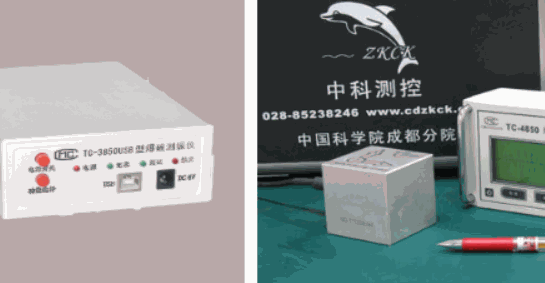
Routine maintenance of blasting vibration meters
Faults in blasting vibration meters are not scary - timely detection, diagnosis and quick resolution matter. Users should master routine maintenance to avoid faults. Experts introduce daily maintenance: read the manual carefully, know the instrument's performance and correct usage; power on/off strictly per procedures to keep it in good condition; pay attention to
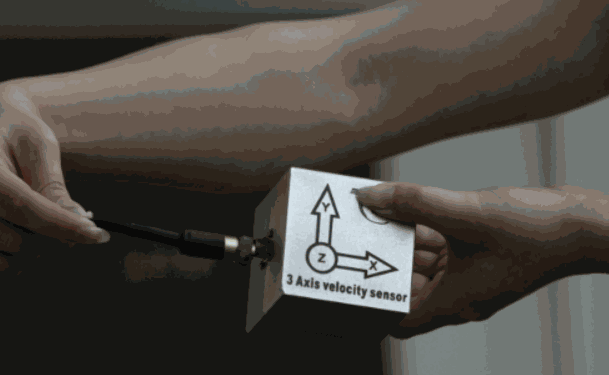
Illustrated field installation guide for blasting vibration meter sensors
TC-4850 illustrated field offline operation guide. 1. Triaxial velocity sensor and signal cable connection - align concave/convex Sensor-to-meter connection. 2. Sensor installation (gypsum in this case): 1. Brush the layout position clean for tight gypsum-ground bonding. Key points: &nbs

Several issues on blasting vibration safety assessment criteria
Blasting vibration testing, blasting vibration safety assessment
